
Introduction to Mechanics and Maintenance Essentials
In the field of mechanics and maintenance, the significance of using the right tools and equipment cannot be overstated. For professionals and enthusiasts alike, investing in quality mechanics tools is crucial for achieving optimal efficiency and effectiveness in tasks. The proper equipment not only ensures that jobs are completed more swiftly but also enhances safety and minimizes the potential for accidents during maintenance operations.
A well-equipped workshop or maintenance area can significantly impact the quality of work produced. The various tools available in the marketplace each serve a specific purpose; for example, whether it is general maintenance tasks, engine repairs, or vehicle inspections, having specialized items can make all the difference. For instance, the use of precision instruments can lead to better measurements, and high-quality hand tools can improve handling, ultimately translating to more reliable repairs.
Moreover, investing in robust equipment can lead to long-term financial savings. High-quality tools tend to offer greater durability and performance, which reduces the frequency of replacements. Over time, professionals can benefit from a reduction in tool-related downtime and increased productivity. Therefore, it is beneficial to consider not only the initial costs of the tools but also their longevity and efficiency in a maintenance context.
In conclusion, having the right selection of mechanics and maintenance tools is fundamental to success in any mechanical task. These essentials contribute to improved results, heightened safety, and ultimately a more productive working environment. As we delve into this blog post, we will highlight five essential items that every mechanic should consider incorporating into their toolkit for optimum performance in maintenance tasks.

- FOUR FLAT Sides deter rolling
- FOUR FLAT Sides feature wrench-ready design
- 90 tooth design with 4 degrees of arc swing for tight work spaces


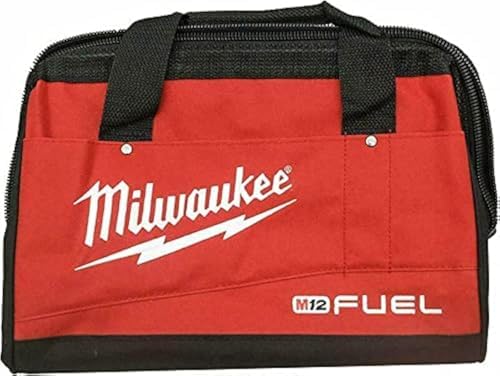

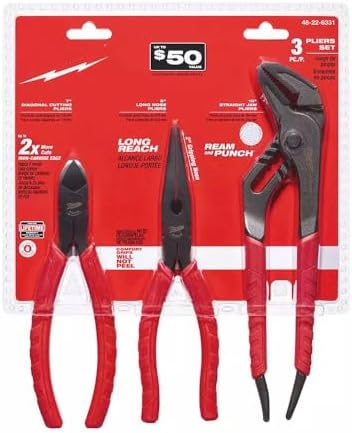


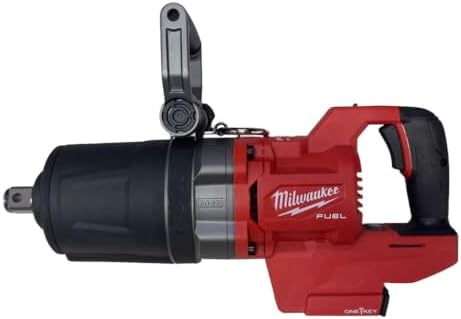

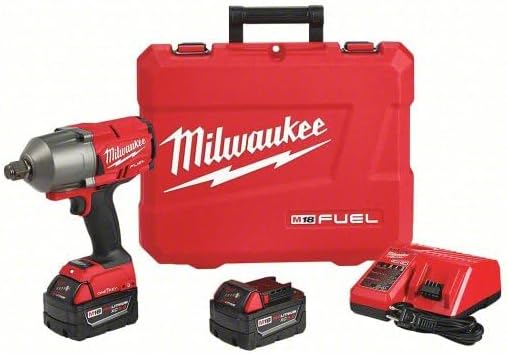

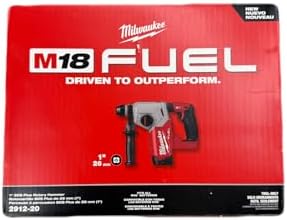


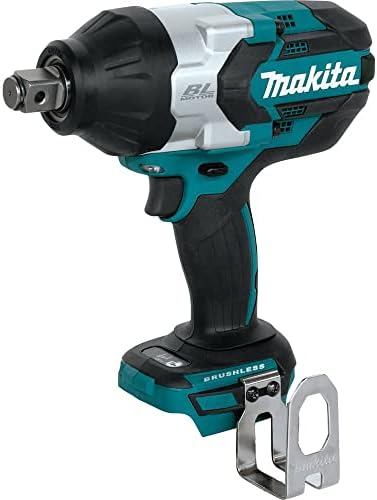
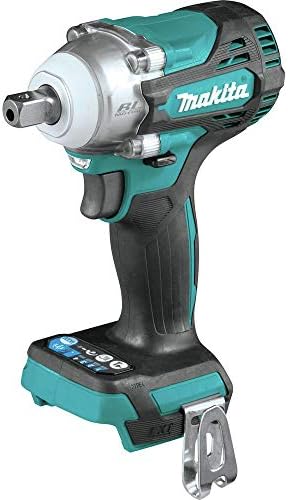

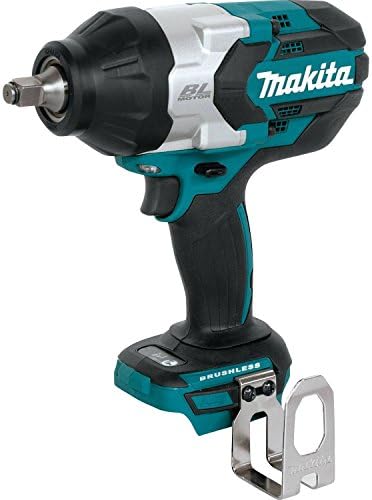

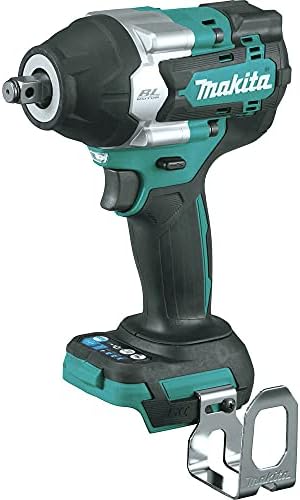
Comprehensive Tool Set
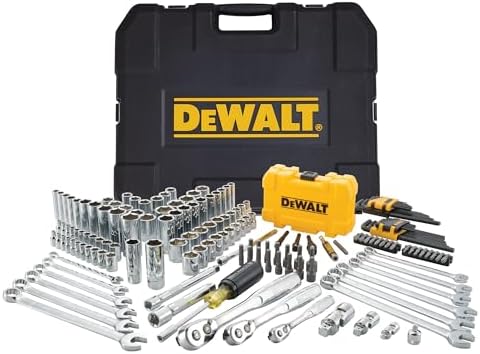
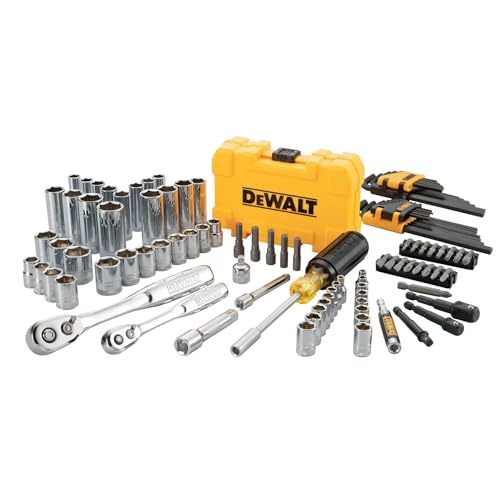
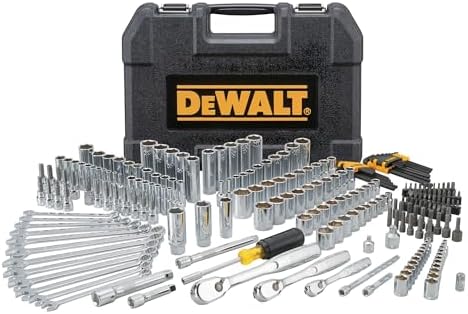
Owning a comprehensive tool set is fundamental for anyone engaging in mechanical and maintenance work, whether in a professional capacity or as a hobbyist. A complete tool set typically encompasses a variety of essential tools, each serving specific purposes that cater to a range of tasks. This versatility is crucial, as it allows individuals to handle both automotive repairs and general maintenance with ease.
Among the essential tools, wrenches are particularly significant. They come in various sizes and styles, such as adjustable or socket wrenches, and are used for loosening or tightening nuts and bolts. These tools are indispensable for automotive work, where precise torque is often necessary.
Screwdrivers also feature prominently in a comprehensive tool kit. A mixture of flathead and Phillips head screwdrivers allows for the efficient assembly and disassembly of various components. Their application ranges from simple household repairs to more intricate mechanical tasks, thus making them a staple for maintenance purposes.
Hammers, including ball-peen and claw hammers, are versatile tools that assist in driving nails, removing components, and shaping materials, with applications spanning both automotive repair and general maintenance jobs. Meanwhile, pliers—such as needle-nose and slip-joint variations—afford users the ability to grip, twist, and cut wire or other materials, proving their utility in diverse scenarios.
Moreover, a comprehensive tool set may include additional items like socket sets, levels, and a variety of fasteners, each augmenting the capability to tackle more complex tasks effectively. In summary, a complete tool set not only simplifies mechanical and maintenance work but also enhances efficiency, making it an invaluable investment for anyone looking to engage in such activities.
Importance of Diagnostic Equipment for Mechanics
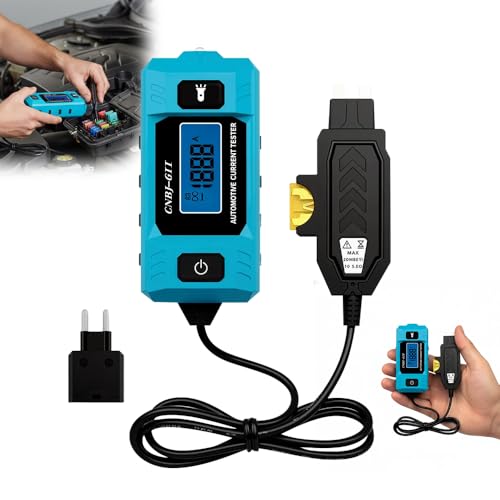
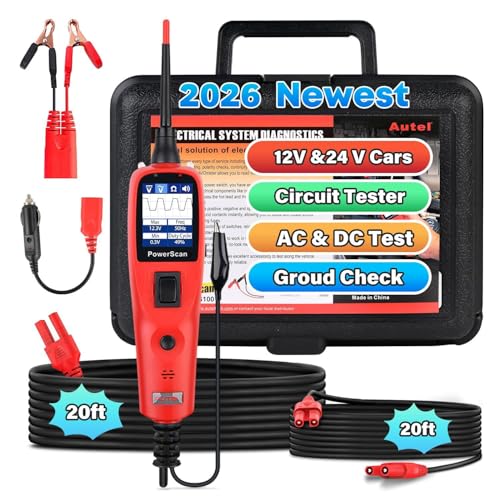
In the realm of automotive repair and maintenance, diagnostic equipment serves as an essential tool that enhances the efficiency and accuracy of car servicing. Mechanics rely heavily on advanced devices, such as OBD-II scanners, which provide valuable insights into vehicle performance and emissions standards. These scanners interface with the car’s onboard computer to retrieve diagnostic trouble codes (DTCs) that indicate specific malfunctions. By using an OBD-II scanner, a mechanic can quickly identify issues that may not be immediately visible, leading to a more precise diagnosis.
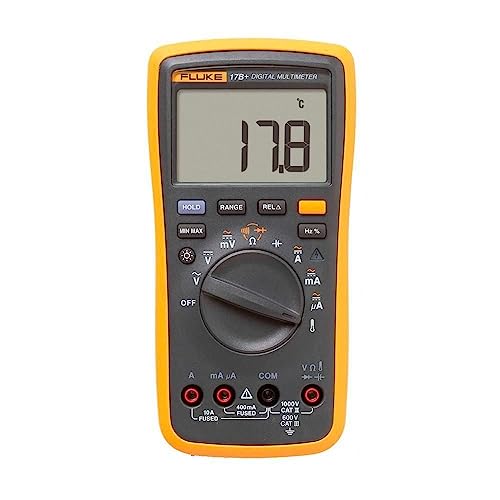
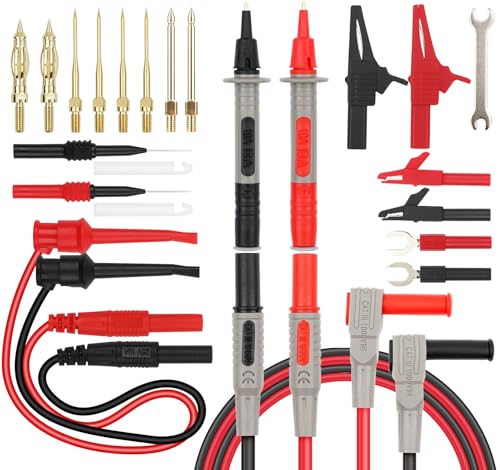
Besides OBD-II scanners, multimeters are crucial for electrical diagnostics. They allow mechanics to measure voltage, current, and resistance in electrical circuits, facilitating the inspection of battery conditions, fuses, and various electronic components. The versatility of multimeters makes them indispensable for troubleshooting a wide range of electrical issues, thereby ensuring that repairs are accurate and effective.
In addition to these essential diagnostic tools, specialized devices such as fuel pressure gauges and compression testers can also contribute significantly to the diagnostic process. Fuel pressure gauges help assess the fuel delivery system of a vehicle, while compression testers evaluate the internal condition of an engine. Such devices empower mechanics to diagnose issues before they escalate into significant problems, thereby promoting timely repairs that save both time and finances for customers.
The use of diagnostic equipment not only increases the probability of accurate repairs but also enhances customer satisfaction through improved service quality. In a competitive automotive industry, having access to the right diagnostic tools is vital for any mechanic looking to provide reliable and effective maintenance solutions. Therefore, investing in diagnostic equipment is not merely optional; it is a requirement for ensuring longevity and efficiency in automotive repair services.
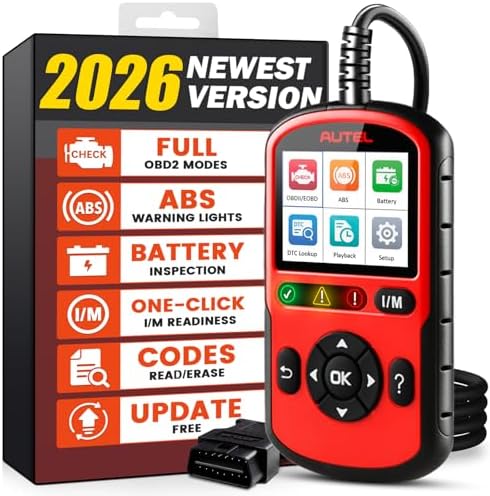
- 🔥🔥【NEWEST AUTEL AUTOLINK AL549 OBD2 SCANNER】Autel Autolink AL549 It is a Comprehensive OBD2 Code Reader. Specifically, i…
- 🔥🔥【PRO-LEVEL FULL OBD2 FUNCTIONS】Autel AutoLink AL549 OBD2 Code Reader supports all 10 modes of OBD2 test for complete v…
- 🔥🔥【AL549 READ/ERASE DTCs FOR ABS】As the Upgrade Version of Autel AL519 /AL529 /AL539, Autel Autolink AL549 has an Univer…


Safety Gear and Equipment
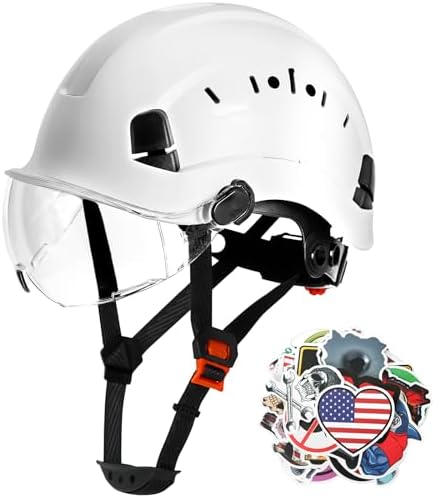
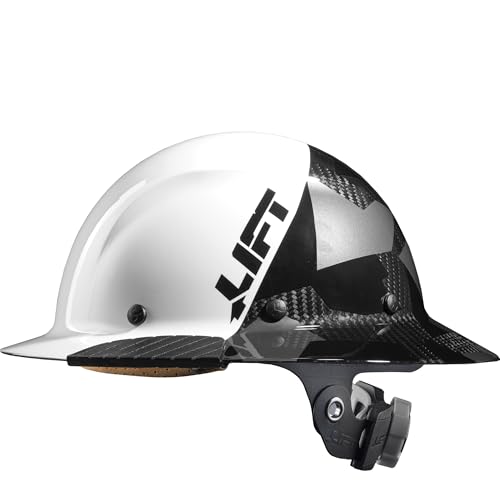
When engaging in mechanical work, one cannot underestimate the importance of safety gear and equipment. The nature of mechanics and maintenance often exposes individuals to various hazards, making the proper use of safety equipment essential. Gloves, goggles, ear protection, and masks are some of the fundamental components of a comprehensive safety gear kit.
Gloves serve as a protective barrier against cuts, abrasions, and potentially harmful substances. Mechanic gloves, designed with durable materials, not only safeguard the hands but also offer enhanced grip, which is crucial when handling tools and components. Moreover, they allow for flexibility and dexterity, enabling the wearer to perform intricate tasks without sacrificing safety.
Goggles are vital for protecting the eyes from flying debris, chemicals, and intense light common in mechanical settings. Impact-resistant lenses can shield against potential injuries from small projectiles resulting from tools and machinery. Additionally, a good set of goggles should provide a snug fit to prevent any particles from entering.
Hearing protection is also paramount, particularly in reverberant environments where loud machinery operates. Earplugs or earmuffs can significantly reduce noise exposure, preventing long-term hearing damage that can result from repeated exposure to high decibels.
Lastly, masks or respirators are of paramount importance when working with dust, fumes, or vapors. Inhaling harmful particles can lead to various respiratory issues, making adequate filtration essential. Masks designed for mechanical work can filter out potentially hazardous substances while ensuring comfort and breathability.
In essence, investing in quality safety gear and equipment is not merely a precaution but a necessary measure for anyone involved in mechanics and maintenance. By prioritizing safety through these essential items, individuals can significantly reduce the risk of injury and ensure a safer working environment.

- Comfortable, Multipurpose Glove: Mechanix Wear Original Gloves are built for comfort and durability, with abrasion-resis…
- Touchscreen Capable & Flexible: With a Freedom-Flex cuff design and touchscreen compatibility, enjoy unrestricted moveme…
- Breathable Comfort: The CoolPlus woven-mesh back, plus a vented palm, ensure superior ventilation, keeping hands cool an…





Maintenance Supplies and Lubricants
Effective mechanical upkeep relies heavily on the utilization of appropriate maintenance supplies and lubricants. These products play a crucial role in ensuring that machinery and vehicles operate efficiently and have an extended operational lifespan. Among the essential items, engine oil is perhaps the most critical. Engine oil lubricates moving parts, minimizes friction, and helps dissipate heat. It is important to choose the right type of engine oil specific to the vehicle or equipment being serviced.
Additionally, various types of grease are essential for different applications. Grease serves as a lubricant for bearings and joints, safeguarding these components from wear and corrosion. Utilizing the correct grease type enhances the performance and longevity of the machinery. Choosing multipurpose grease can simplify maintenance tasks while still delivering adequate protection in a variety of environments.
Cleaning agents also fall under the category of vital maintenance supplies. Degreasers, solvents, and other cleaning products are necessary for removing dirt, grime, and grease build-up that can affect the functionality of machines. Regular cleaning not only aids in maintaining appearance but also prevents long-term damage caused by accumulated residues.
Furthermore, it is prudent to keep a stock of filters, coolant, and transmission fluid as part of routine maintenance supplies. These fluids require regular checks and changes, as they are essential for maintaining optimal performance and preventing mechanical failures. By incorporating a comprehensive selection of maintenance supplies and lubricants into a regular maintenance routine, individuals can ensure their equipment and vehicles continue to function efficiently over time.
Please choose display type!Workshop Storage Solutions
In any mechanic or maintenance workshop, effective storage solutions are crucial for enhancing efficiency and maintaining an organized workspace. Proper storage not only facilitates easy access to tools and equipment but also helps in reducing clutter and increasing productivity. Various types of tool storage options cater to different needs, ensuring that both large and small tools are readily available.
Tool chests are a staple in most workshops. These sturdy units come in various sizes and styles, often featuring multiple drawers for organized storage of hand tools, power tools, and fasteners. The ability to keep tools sorted and stored securely in a tool chest enhances workflow, as mechanics can quickly locate the necessary tools for tasks without the distraction of searching through a disorganized setup.
Pegboards present another efficient storage method. Installed on walls, pegboards allow for vertical storage of tools, freeing up valuable floor space. They provide a customizable solution where tools can be hung at eye level, making them easily accessible. This arrangement not only helps in organizing tools but also allows users to visualize the entire toolkit at a glance, making it easier to identify what is in use and what needs to be returned to storage.
Another popular option includes various types of organizers designed for specific tools, such as socket organizers or wrench racks. These storage solutions not only provide dedicated spaces for each tool but also help in preventing damage by ensuring that tools are stacked properly and have their own designated locations. Furthermore, the use of clear storage bins and labeled containers can optimize the workflow by allowing easy identification of smaller items, such as screws and nails.
Implementing adequate workshop storage solutions ensures that mechanics can maintain an organized space, ultimately leading to a more streamlined maintenance process.
Tips for Choosing the Right Products
Selecting the appropriate tools and equipment for mechanics and maintenance is essential for ensuring efficiency and safety in any mechanical work. The first consideration should be the quality of the product; investing in high-quality tools can significantly affect performance and longevity. Often, higher-quality products demonstrate better durability and effectiveness, justifying a potentially higher price point. It is advisable to compare various brands and products to ensure that you are making a sound investment.
Brand reputation plays a pivotal role in the selection process. Well-established brands often have a history of reliability and customer satisfaction. Before purchasing, take the time to research different brands and read up on their market presence. Companies with a robust reputation are typically more inclined to provide reliable tools, along with good customer support if issues arise post-purchase.
Warranties and guarantees also have a significant impact on your decision-making. Products that come with extensive warranties or satisfaction guarantees not only signify confidence from the manufacturer but also ensure that you have recourse in case the product underperforms or fails. This aspect is particularly important when investing in costly tools.
Lastly, user reviews provide invaluable insights from individuals who have firsthand experience with the products. Feedback from users can reveal potential problems or advantages of a specific tool or equipment, allowing you to make a more informed choice. Platforms such as online marketplaces and forums often host detailed reviews that can aid in distinguishing between options.
By applying these considerations—quality, brand reputation, warranty, and user reviews—you can confidently choose the right products for your mechanical and maintenance needs.
Budgeting for Your Mechanic Tool Kit
Establishing a well-structured budget for your mechanic tool kit is crucial for acquiring the essential tools needed for effective maintenance and repair work. One of the first steps in this budgeting process involves determining your priorities. Identify which tools are most critical for the types of repairs you anticipate performing. For instance, if you primarily work on automobiles, investing in quality sockets and wrenches should take precedence.
It is advisable to approach the acquisition of tools gradually. Instead of attempting to purchase your entire toolkit at once, focus on acquiring a few key pieces at a time. This method not only alleviates the financial burden but also allows you to accumulate tools that meet your immediate needs. By continuously assessing your toolbox, you can make informed decisions on future purchases based on your evolving requirements.
Finding sales and discounts is another effective strategy to remain within budget while still gaining the instruments necessary for your mechanic toolkit. Many retail stores and online platforms frequently offer discounts on tools, especially during seasonal sales and clearance events. Websites specializing in mechanic supplies often have promotions that can significantly reduce costs. Additionally, it may be worthwhile to explore local swap meets or second-hand shops where tools can often be found at reduced prices.
By employing a combination of setting priorities, purchasing gradually, and seeking out discounts, you can construct an efficient mechanic toolkit without straining your budget. Remember, investing in quality tools will pay dividends in performance and longevity, ultimately enhancing your efficiency as a mechanic. The right budgeting approach ensures that you are both financially responsible and well-equipped for your maintenance tasks.

- 【Unique Design】: Unique opening and closing design, Sundpey tool box has more space to store tools, good quality chrome-…
- 【Extensive Tools】- Tool kit includes claw hammer, spirit level, tape measure (metric and imperial), hex wrench set, wire…
- 【Sturdy Storage Case】- All necessary tools are included in a sturdy plastic case with interior molded compartments to pr…








Conclusion: Investing Wisely in Maintenance Tools
In the world of mechanics and maintenance, the quality of tools and equipment can significantly influence the effectiveness and safety of the work performed. Investing wisely in essential maintenance tools is not just a consideration but a necessity for achieving optimal results. Throughout this blog, we have explored various tools that are crucial for mechanics: from automotive diagnostic tools to basic hand tools, safety gear, and specialized maintenance equipment.
The significance of quality should not be underestimated; subpar tools can lead to inefficient work processes, increased safety hazards, and even higher long-term costs due to frequent replacements. Understanding the importance of investing in high-quality maintenance tools ensures that your work is not only efficient but also adheres to safety standards.
When selecting tools, it is advisable to prioritize reliability and durability. Opting for well-reviewed, reputable brands can provide peace of mind and assure that the tools will withstand the rigors of frequent use. Moreover, taking the time to evaluate specific needs based on the types of projects or repairs being undertaken allows mechanics to make more informed purchasing decisions.
Ultimately, investing in the right maintenance tools supports better performance, enhances safety, and reduces the likelihood of accidents on the job. As you consider equipping your workplace or workshop, reflect on the previously discussed tools and assess which will best serve your particular circumstances. Thoughtful investment in tools is a crucial step towards effective maintenance and repair work, setting the groundwork for a productive and safer working environment.