
Introduction: The Path to Becoming an Automotive Mechanic
Embarking on the journey to becoming an automotive mechanic requires more than just a passion for cars; it necessitates a solid foundation of knowledge, skills, and the right equipment. As potential mechanics enter this field, it is crucial for them to recognize the importance of being well-prepared. During this journey, acquiring essential tools and equipment plays a significant role in ensuring success and efficiency in the profession.
The automotive industry is continuously evolving, with technological advancements influencing the nature of repairs and maintenance. Consequently, aspiring mechanics must stay abreast of the latest developments, which underscores the importance of purchasing the right tools. The early stages of this journey are marked by not only learning theoretical concepts but also becoming adept at practical applications. The selection of appropriate tools can simplify tasks, enhance accuracy, and ultimately lead to exceptional work performance.
Furthermore, the right equipment fosters confidence, enabling new technicians to approach different automotive challenges with assurance. Investing in high-quality tools not only improves the likelihood of successful repairs but also reflects a commitment to excellence within the trade. New mechanics should consider that their mechanical toolkit is an extension of their skill set; therefore, carefully planned purchases contribute significantly to their overall outlook in the workforce.
As individuals set out to establish a successful career as automotive mechanics, they will encounter various decisions along the way. Each choice, especially those relating to tools and equipment, shapes their professional development. In conclusion, understanding the significance of these foundational elements prepares aspiring automotive mechanics for a fruitful and reputable career in the industry.
SEE MORE TOOL BELOW NEED TO BUY

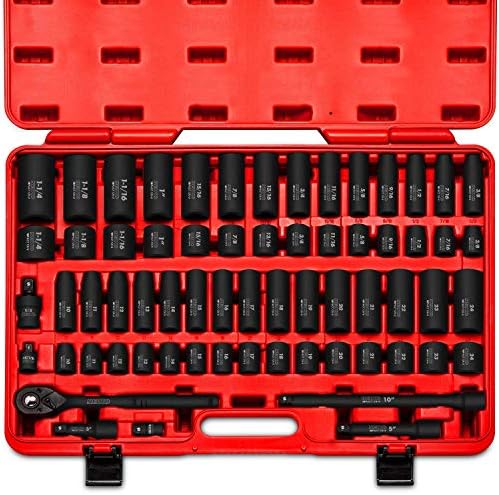
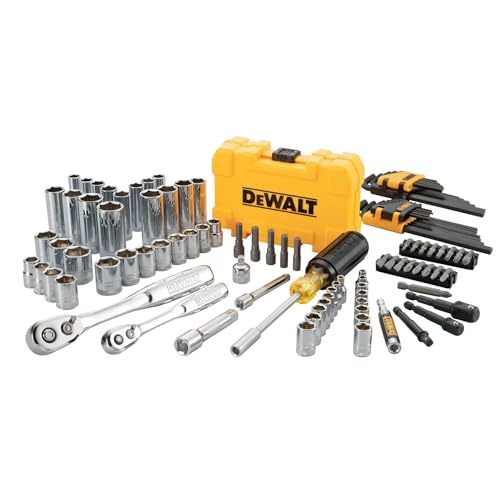
- Comprehensive Assortment: Includes 192 pieces—covering 1/4″, 3/8 ratchet, and 1/2″ drive ratchets, 1/4 socket set, 1/2 s…
- Ideal for mechanics, automotive, as a car tool kit and general maintenance tasks
- High-Quality Construction: Made from durable chrome vanadium steel for long life, corrosion resistance, and reliable hea…


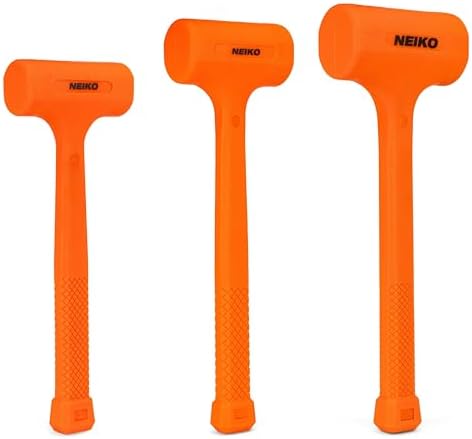


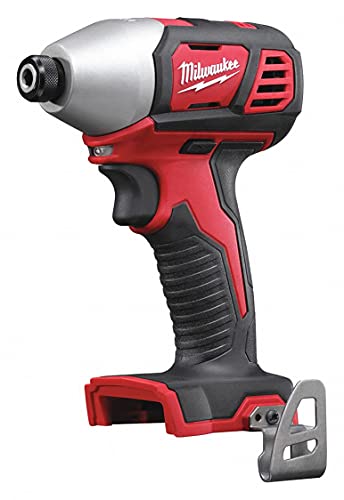
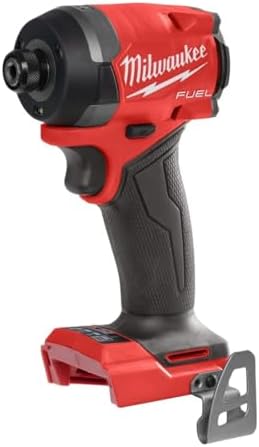
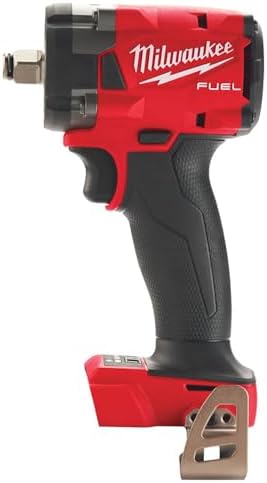
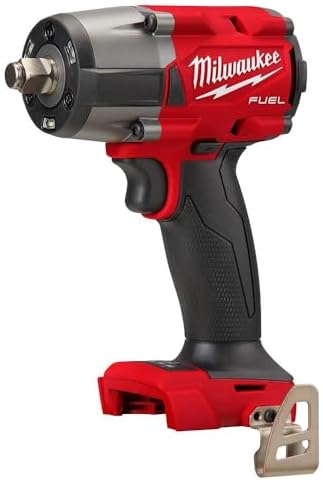
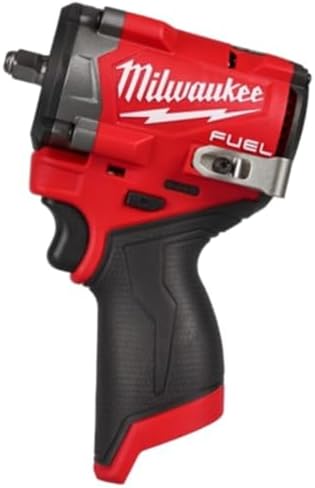
Power tools you need for becoming a mechanic/tech
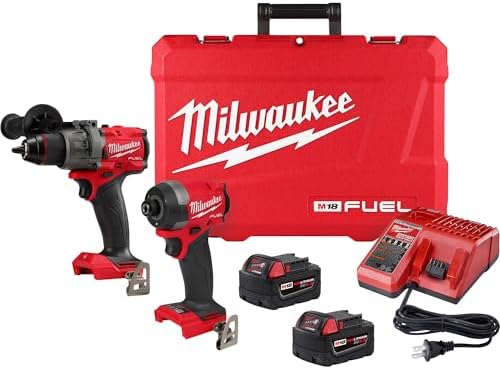
- Brushless Motor delivers the power to complete the widest range of applications of any hammer drill driver
- Brushless motor delivers unmatched power for full range of capability to complete the widest variety of applications
- Increase productivity on the jobsite with the fastest driving speed of any impact driver without sacrificing power or co…




Basic Hand Tools: The Fundaments of Mechanical Work
Becoming an automotive mechanic necessitates a solid foundation of knowledge along with the right equipment. Among the most crucial investments for anyone entering this field are the basic hand tools. These essential instruments, including wrenches, screwdrivers, and pliers, form the backbone of mechanical work. Their importance cannot be overstated, as they enable mechanics to perform a variety of repair and maintenance tasks with precision and efficiency.
Wrenches are particularly important due to their versatility in handling various fasteners, which are vital in automotive applications. They are designed to provide the needed leverage for loosening or tightening bolts and nuts, reducing the risk of stripping them. Common types include adjustable wrenches, socket wrenches, and torque wrenches, each playing a specific role in ensuring that connections are secure without damaging components.
Screwdrivers, another fundamental tool, are indispensable for tasks involving screws of different sizes and types. Mechanics are often faced with a variety of screw fasteners in automotive assemblies, making a set of screwdrivers, including Phillips and flathead types, essential for effective disassembly and assembly of components. It is advisable to select high-quality screwdrivers with ergonomic handles to increase comfort during prolonged use.
Pliers serve multiple purposes – from gripping and twisting to cutting. Mechanics typically utilize needle-nose pliers for reaching into tight spaces and cutting pliers for clipping wires or removing small fasteners. Each of these tools contributes significantly to a mechanic’s ability to manipulate various parts of vehicles, streamlining their workflow.
In conclusion, investing in basic hand tools like wrenches, screwdrivers, and pliers is a fundamental step for aspiring automotive mechanics. Each tool plays a crucial role in executing repairs and maintenance tasks effectively, emphasizing their necessity in any mechanic’s toolkit.
SEE MORE TOOLS BELOW NEED TO BUY
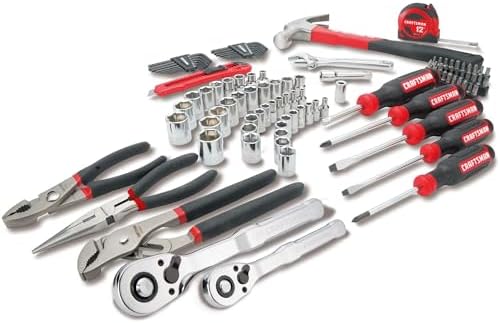
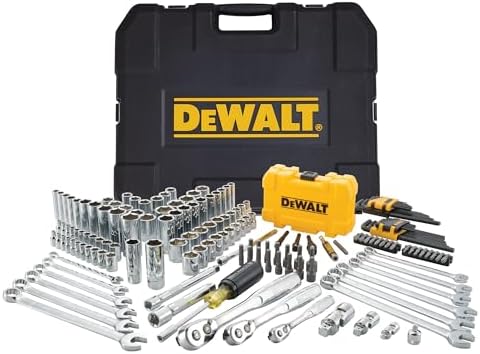
- LOW PROFILE RATCHET: Up to 25% thinner head* for access in tight spaces (as compared to CMMT81747 & CMMT81748)
- 90-TOOTH RATCHET: Delivers 5 degree arc swing
- CONVENIENCE: Comprehensive set of 1/4-in and 3/8-in drive mechanics tools and mixed hand tools



Diagnostic Tools: Modern Mechanics Need Advanced Technology
In the rapidly evolving field of automotive repair, having the right diagnostic tools is crucial for any aspiring mechanic. Modern vehicles are equipped with complex electronic systems, and understanding these systems is essential for accurate diagnosis and effective problem-solving. Diagnostic tools, particularly On-Board Diagnostics II (OBD-II) scanners and multimeters, have become indispensable in the mechanic’s toolkit.
OBD-II scanners allow mechanics to retrieve diagnostic trouble codes, providing insight into the vehicle’s performance issues. These codes can pinpoint specific areas of concern, allowing the mechanic to formulate a targeted approach to repairs. The ability to quickly identify problems with a vehicle’s engine, transmission, or emissions system can save time and enhance service quality. This efficiency is an essential skill in today’s fast-paced automotive service environment.
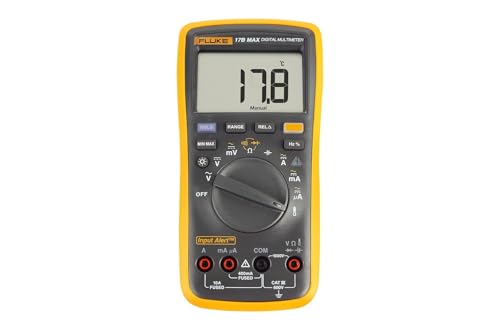
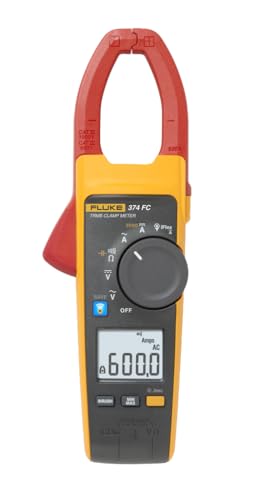
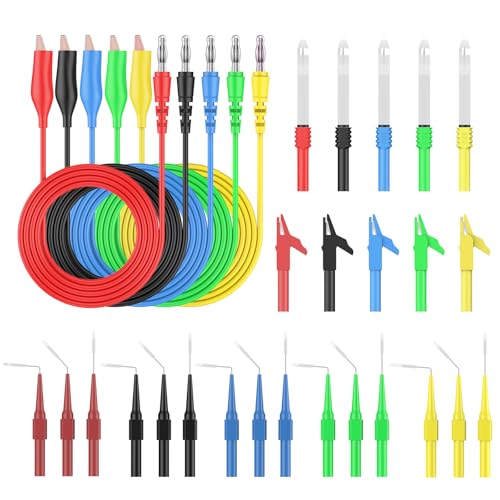
In addition to OBD-II scanners, multimeters are equally vital tools for mechanics. These devices assist in measuring voltage, resistance, and current within a vehicle’s electrical systems. With a multimeter, a mechanic can test batteries, alternators, and various circuit components, ensuring that the electrical systems are functioning correctly. The versatility of multimeters makes them essential not only for diagnosing problems but also for troubleshooting and confirming repairs.
Ultimately, the use of diagnostic tools like OBD-II scanners and multimeters significantly enhances a mechanic’s skill set. These tools not only facilitate problem identification but also streamline the repair process, leading to better customer satisfaction and increased efficiency. As technology continues to advance, staying updated with the latest diagnostic tools will empower aspiring automotive mechanics to excel in their careers, equipped with the capabilities needed to tackle modern vehicle challenges.
SEE MORE TOOLS BELOW YOU NEED TO BUY
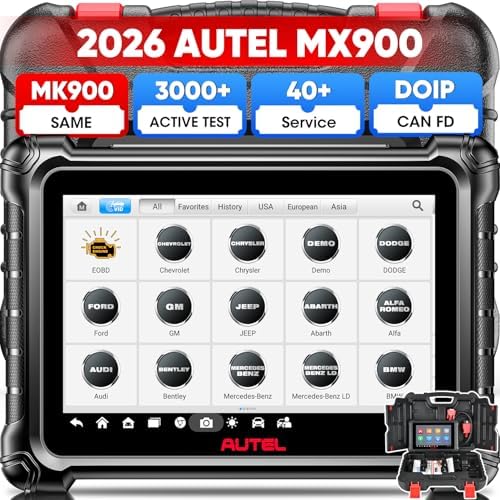
- 💯【2026 Autel MX900, US Ver. of MK900 (Conta.ct us for Support Directly)】Autel MX900 has identical firmware&software to M…
- 🥇【2026 Autel US Version MX900, Same as MK900 MK900BT V2.0 MK808S MX808S MK808Z MK808BT PRO】This Autel car scanner MX900 …
- 🥇【Full Bidirectional Control/ 3000+ Active Tests = MK900BT MK900 MP900BT】2026 cost-effective 8in bidirectional diagnosti…




Safety Equipment: Protecting Yourself While You Work
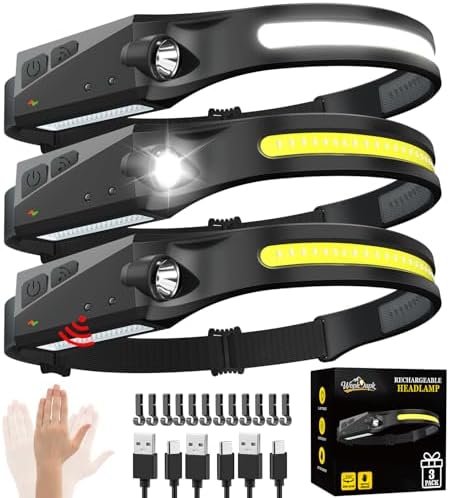
In the automotive industry, safety is of utmost importance due to the inherently hazardous environment mechanics operate in. Investing in proper safety equipment not only safeguards personal health but also enhances work efficiency. Essential safety gear includes gloves, goggles, and appropriate footwear, each playing a crucial role in protecting against potential injuries.
Mechanics are often exposed to chemicals, sharp objects, and heavy machinery, making durable gloves a necessary investment. Mechanic gloves can protect against cuts, punctures, and chemical exposure while providing sufficient dexterity to handle tools effectively. When selecting gloves, it is important to choose ones that fit well and are made from materials specifically designed for automotive work.
Eye protection cannot be overlooked; safety goggles or face shields are vital for preventing injuries caused by flying debris, chemical splashes, or grinding work. As automotive tasks often involve the use of power tools, having high-quality eye protection should be non-negotiable in any mechanic’s toolkit.
Footwear is another critical component of safety equipment. Steel-toed boots or composite-toe shoes offer significant protection against falling objects and provide stability on slippery surfaces. Non-slip soles can further reduce the risk of workplace accidents, ensuring that mechanics maintain a firm grip while maneuvering around the garage.
Moreover, the importance of comprehensive safety training cannot be overstated. Mechanics should participate in workshops or training sessions to familiarize themselves with best safety practices. Understanding how to appropriately use safety equipment, coupled with awareness of potential hazards, equips individuals to handle their tasks with a higher level of preparedness and confidence.
In conclusion, prioritizing safety through proper equipment and training is essential for anyone considering a career as an automotive mechanic. By investing in high-quality safety gear and maintaining awareness of safe practices, mechanics can significantly reduce the risks associated with their profession.
SEE MORE GEAR BELOW YOU NEED TO BUY
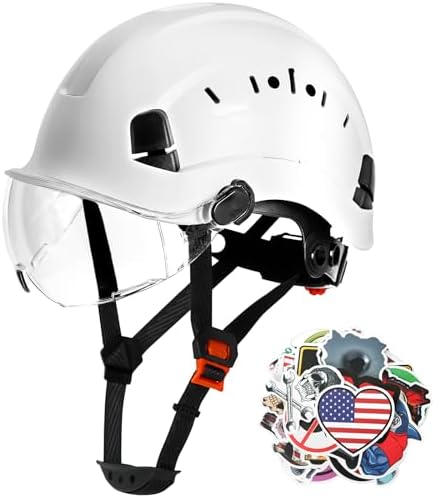
- Hard Hats Construction Osha Approved:AOLAMEGS safety helmet made of high impact penetration resistant ABS materials,ligh…
- More Humanized Design:Rapid-Dial ratcheting headgear,one-handed adjustment design allows workers to modify fit without r…
- Adjustable & Comfort Fit:Adjustable 6-point suspension system for improved shock absorption and overall comfort.Comforta…






Specialty Tools: Tackling Complex Repairs with Confidence
As an aspiring automotive mechanic, investing in specialty tools is essential for handling a variety of advanced repairs. These tools allow you to tackle complex issues, such as engine rebuilds or intricate electrical work, with the precision and confidence required in the automotive field.
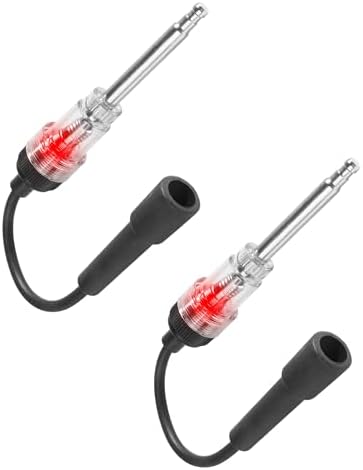
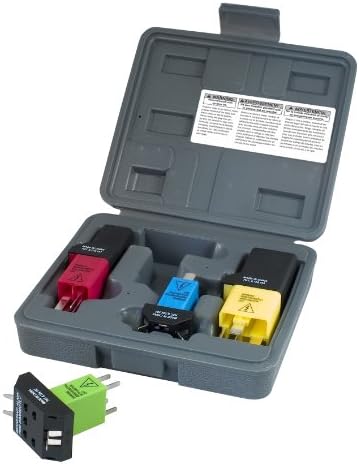
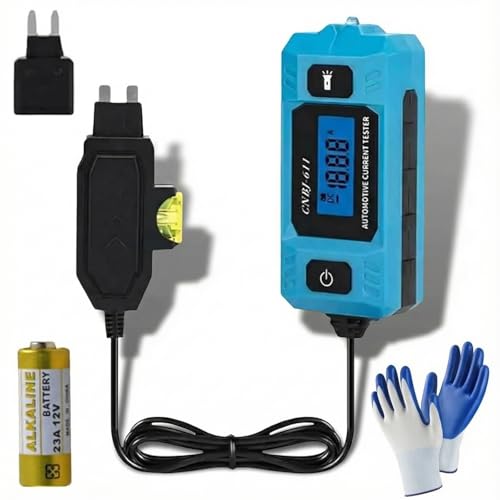
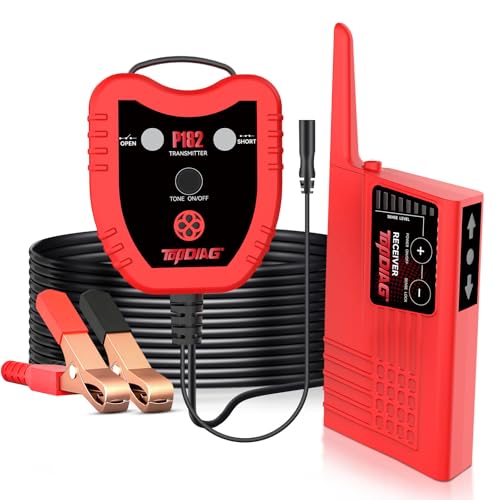
Specialty tools differ significantly from standard equipment and are designed for specific functions that cannot be achieved with common hand tools. For instance, an engine analyzer is critical for diagnosing problems in modern engines, while a torque wrench ensures that bolts are tightened to precise specifications during assembly and repairs, preventing potential damage.Utilizing these specialized tools not only enhances the quality of your work but also increases your efficiency as a mechanic. Having the right tool for the job allows you to complete repairs faster and with fewer mistakes, which is vital when considering customer satisfaction and maintaining a good reputation in the industry.
Moreover, the versatility provided by specialty tools can set a mechanic apart from others in the field. Advanced automotive technology continues to evolve, and with it, the tools needed to service these systems. For example, scan tools are indispensable for conducting diagnostic tests on late-model vehicles equipped with advanced electronics. By investing in these tools, you position yourself as a competent technician capable of addressing a wide range of automotive problems.
In summary, specialty tools are not just an additional expense; they represent an investment in your skills and future as an automotive mechanic. Understanding the importance of these tools and integrating them into your toolbox will empower you to tackle complex repairs with the confidence and proficiency that customers expect.
SEE MORE SPECIAL TOOLS YOU NEED TO BUY

- 【Why Need It】For example: 1. The rupture of the vacuum hose will cause the mixture to be too thick, the idle speed will …
- 【No Air Pump】Note: AUTOOL SDT103 does not have an internal air pump. External air supply is required for use. Connect sh…
- 【External Flow Meter】You can easily control the air pressure, because the air pressure of each pipe in the car is differ…




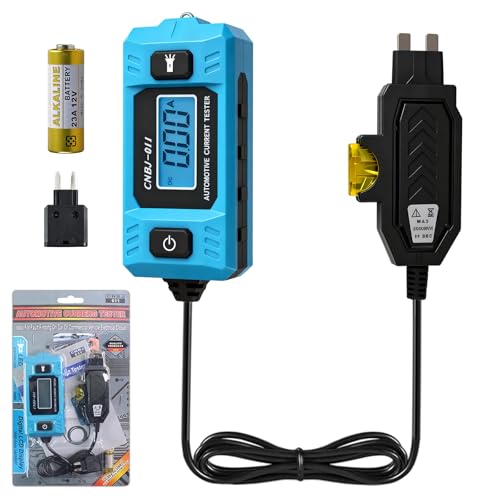
Tool Storage Solutions: Keeping Your Workspace Organized
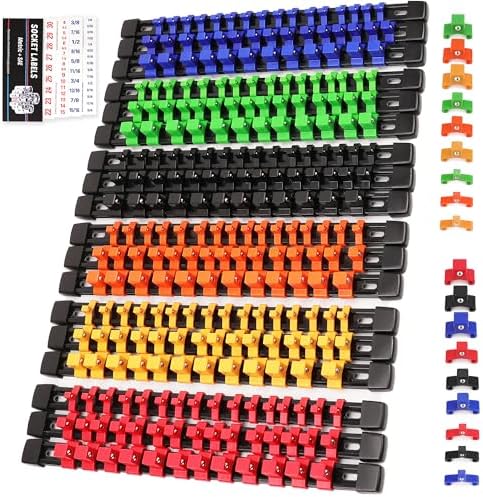
For aspiring automotive mechanics, organizing tools is vital in establishing a productive workspace. In a profession that demands precision and efficiency, implementing effective tool storage solutions is crucial. These solutions not only facilitate easy access but also play a significant role in maintaining the longevity of your tools. Various options are available, ranging from traditional toolboxes to innovative magnetic trays and customizable organizers.
A well-constructed toolbox is often the cornerstone of any mechanic’s tool storage strategy. Available in various sizes and configurations, toolboxes allow mechanics to sort their tools based on different functionalities or projects. Heavy-duty boxes with multiple drawers can hold a wide array of sockets, wrenches, and screwdrivers, while portable options enable mechanics to transport the necessary tools for mobile repairs. Investing in a quality toolbox helps prevent damage, ensures easy organization, and simplifies tool retrieval.
In addition to toolboxes, the use of magnetic trays has gained popularity among automotive professionals. These trays provide an efficient means to keep small parts and fasteners secure and within reach while working on complex assemblies. By using magnetic trays, mechanics can minimize the risk of losing hardware during disassembly, which enhances workflow continuity.
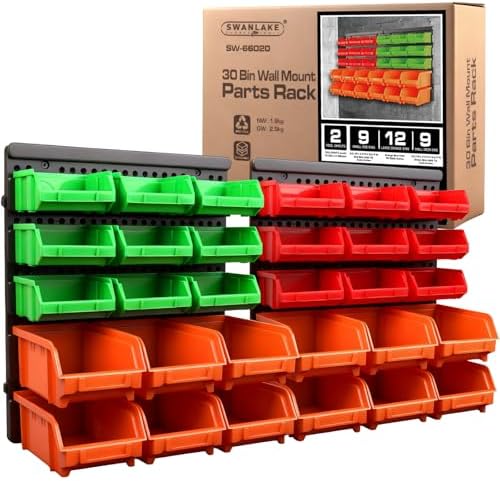
Moreover, wall-mounted organizers and pegboards offer versatile storage solutions for frequently used tools. By utilizing vertical space efficiently, these systems can accommodate various tool types and sizes, allowing mechanics to maintain an organized and accessible workspace. This organization empowers automotive mechanics to work more efficiently, minimizes downtime caused by searching for misplaced tools, and reduces the risk of tool damage due to disorder.
In conclusion, employing proper tool storage solutions is fundamental for automotive mechanics to keep their workspace organized. An organized environment not only enhances productivity but also contributes to overall job satisfaction in the fast-paced world of automotive repair.
SEE MORE TOOL STORAGE AND ORGANIZER BELOW NEED TO BUY

- Premium 21-gauge powder-coated steel construction provides maximum durability
- Includes nine lockable 100-pound capacity soft-close drawers (dimensions in description)
- Measures in at 52 in. (W) x 18 in. (D) x 37 in. (H) in size




Conclusion: Investing in Your Future as an Automotive Mechanic
In the journey to becoming a proficient automotive mechanic, the significance of investing in essential tools and equipment cannot be overstated. The five pivotal purchases discussed—ranging from quality hand tools to diagnostic equipment—are not merely expenses; they are strategic investments in your future career in the automotive industry. Each tool enhances your ability to perform tasks efficiently and accurately, which is critical in maintaining high standards in automotive repairs and services.
Furthermore, having the right equipment not only boosts your productivity but also increases your confidence as you undertake various automotive challenges. Understanding the value of each individual item, such as a reliable scanner that offers advanced diagnostics or an organized toolset that improves workflow, is essential for both novice and experienced mechanics. This foundational investment empowers you to handle a diverse array of repairs and maintain versatility in a fast-evolving field.
As you prioritize your purchases, consider not just the immediate needs but also the long-term benefits these tools will provide in your career. Quality investments made today can enhance your skills and significantly influence your job prospects, setting you apart in a competitive job market. Moreover, as the automotive industry continually adapts to new technologies and practices, being equipped with the right tools will allow you to stay current and proficient.
Ultimately, carefully selecting your equipment is a crucial step in ensuring your success as an automotive mechanic. Embracing this spirit of investment will lay a solid foundation for a rewarding and sustainable career in the automotive field. Your commitment to equip yourself with the best tools will not only enhance your skills but also potentially lead to greater opportunities in the future.
Additional Resources: Where to Find Tools and Training
Embarking on a career as an automotive mechanic requires access to high-quality tools and appropriate training resources. For aspiring mechanics looking to invest in their profession, several avenues are available to procure tools and seek education.
When it comes to purchasing tools, numerous reputable suppliers provide a wide range of products suited for both novice and experienced mechanics. Local auto parts stores are often a good starting point, as they not only carry essential tools but also offer advice from knowledgeable staff. National chains such as AutoZone, NAPA, and Advance Auto Parts frequently hold promotional sales, making it easier to acquire necessary items.
Online platforms also cater to automotive professionals. Websites like Amazon, eBay, and specialized tool retailers such as Harbor Freight and Snap-on provide competitive pricing and extensive product selections. Additionally, many of these platforms offer customer reviews, which can be instrumental in ensuring the quality of the tools purchased.
In terms of training, auto mechanic programs are widely available at community colleges and vocational schools. These institutions offer hands-on training in conjunction with theoretical knowledge necessary for the field. Programs typically cover a myriad of topics, including automotive technology, engine repair, and electrical systems, ensuring a comprehensive educational experience.
Organizations such as the Automotive Service Excellence (ASE) and the National Institute for Automotive Service Excellence (NIASE) play vital roles in recognizing and certifying competent mechanics. Enrolling in certification programs not only enhances skills but also bolsters employment opportunities.
Lastly, pursuing workshops or online courses can also prove beneficial. Websites like Udemy and Coursera offer classes that encompass a variety of automotive topics. These resources are invaluable for mechanics looking to stay abreast of new technologies and methodologies in the rapidly evolving automotive industry.
Call to Action: Start Your Journey Today
As you consider embarking on a career as an automotive mechanic, taking the first steps in your journey requires thoughtful planning and investment in the right tools. The foundation of your success will be built upon the quality of your equipment. By prioritizing the essential purchases discussed earlier, you can significantly enhance your skills, efficiency, and confidence in this dynamic field.
The automotive industry is constantly evolving, and having the correct tools at your disposal is crucial. Whether you opt for hand tools, diagnostic equipment, or safety gear, each component plays a vital role in ensuring you perform at your best. It is not merely about having tools; it is about having the right tools that cater specifically to the demands of the job at hand. Therefore, take the time to research various brands and products that fit your desired budget and set objectives.
Additionally, consider your purchasing options carefully. Local hardware stores often have knowledgeable staff who can assist you in selecting tools that meet your requirements. Alternatively, online platforms provide the convenience of comparing prices and reading customer reviews, which can guide you in making informed decisions. Investing in quality equipment is an investment in your future. Aim to create a well-rounded toolkit that enables you to excel as an automotive mechanic.
The time is now to make those essential purchases and position yourself for a successful career in the automotive industry. Start exploring local retailers or online shops today. By embracing this journey with the right tools and a strong determination, you will not only meet the challenges of your new role but thrive in it. Be proactive—your career is waiting for you!